
The Death of Third-Party Cookies: What It Actually Means for Your Business
The long-discussed phase-out of third-party cookies is finally becoming a reality, and it’s set to reshape digital marketing as we know it.
For years, businesses have relied on cookies to track user behaviour, retarget audiences, and deliver highly personalised ads. But with increasing privacy concerns and stricter regulations, this approach is changing.
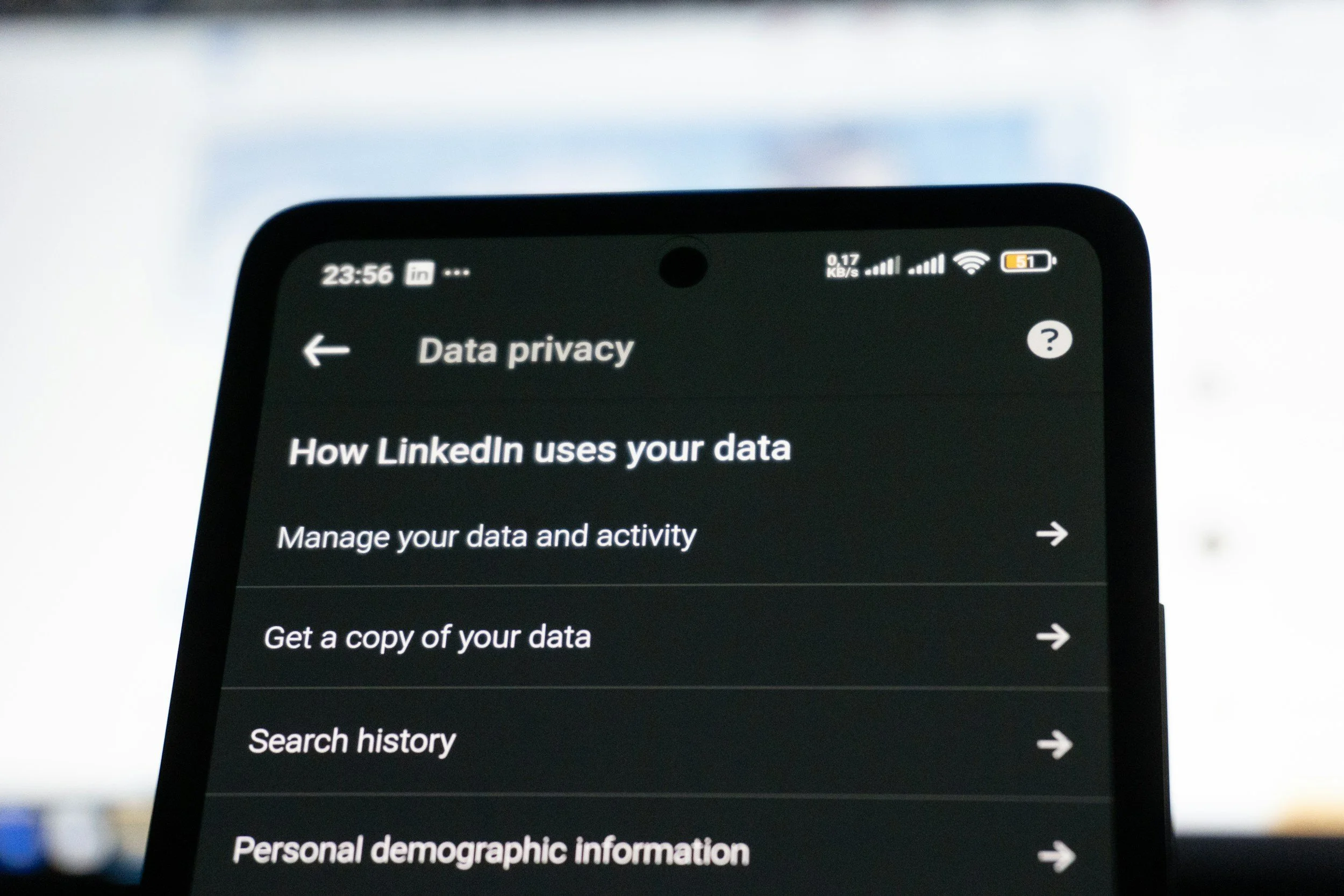
Why Cookies Are Being Phased Out
Consumers are becoming more aware of how their data is used, and regulations like GDPR have pushed for greater transparency and control. As a result, major platforms are limiting third-party tracking.
What This Means for Businesses
Without third-party cookies, businesses will find it harder to track users across websites. This could impact retargeting campaigns and audience insights.
However, it’s not all negative — it’s an opportunity to build stronger, more direct relationships with customers.
The Shift to First-Party Data
First-party data — information collected directly from your audience — is now more valuable than ever. This includes email subscribers, website interactions, and customer enquiries.
How to Adapt Your Strategy
Businesses should focus on:
Building email lists
Creating valuable content that encourages sign-ups
Using CRM systems to manage customer data
Strengthening trust and transparency
At CapNet Marketing, we help businesses adapt to these changes by creating strategies that prioritise long-term relationships over short-term tracking.