
Organic vs. Paid Social Media: How to Find the Right Balance
Social media is now one of the most powerful marketing channels available to businesses. But one question comes up time and time again: should you focus on organic social media or invest in paid social advertising?
The truth is, the most successful brands don’t choose one over the other. They find the right balance. When organic and paid social media work together, businesses can increase reach, build trust and generate measurable returns.
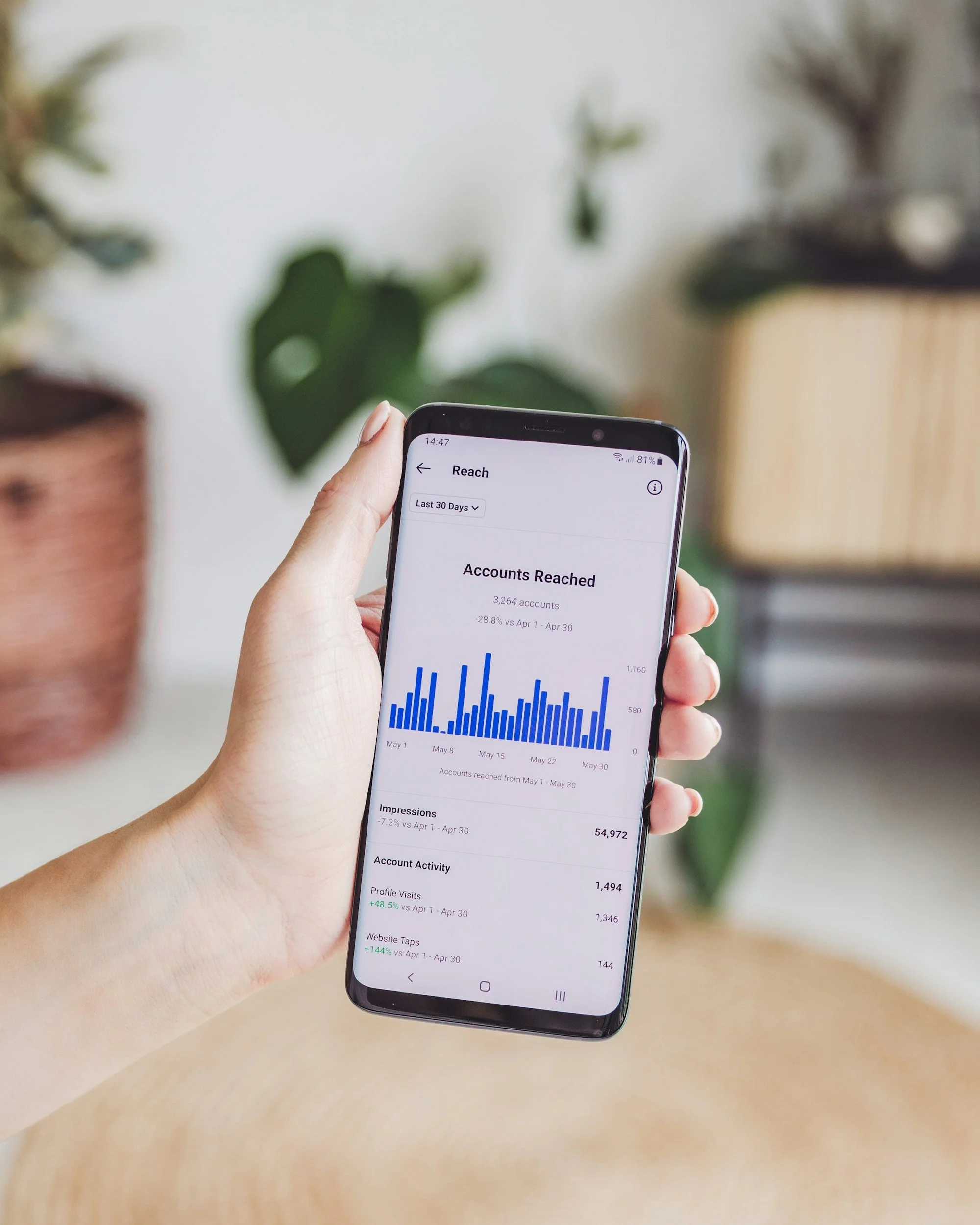
What Is Organic Social Media?
Organic social media refers to the content you post on your social channels without paid promotion. This includes regular feed posts, stories, comments, replies and community interaction. It’s a long-term strategy focused on building relationships and brand credibility.
Benefits of organic social media include:
Authentic engagement – Genuine interactions help build trust with your audience
Cost-effectiveness – No ad spend required, making it accessible for smaller budgets
Brand authority – Consistent, valuable content positions your business as an expert
Community building – Encourages loyalty and long-term audience growth
However, organic social media does come with challenges. Platform algorithms now heavily favour paid content, meaning organic reach is often limited. Growth can be slow, and visibility can fluctuate when algorithms change.
What Is Paid Social Media?
Paid social media involves promoting content through advertising on platforms such as Facebook, Instagram, LinkedIn and TikTok. This includes sponsored posts, lead generation ads, retargeting campaigns and influencer collaborations.
Benefits of paid social media include:
Instant reach beyond your existing followers
Highly targeted audiences based on demographics, interests and behaviour
Scalable results with clear performance data and ROI tracking
Testing opportunities through A/B testing of creatives and messaging
The main downside is cost. Paid social requires ongoing investment to maintain visibility, and overexposure can lead to ad fatigue if campaigns aren’t refreshed regularly.
How to Find the Right Balance
The most effective social media strategies combine both approaches.
Use organic social media to build trust and brand identity.
Share valuable content, tell your brand story, engage in conversations and maintain a consistent posting schedule. This creates a strong foundation and makes your paid campaigns more effective.
Use paid social media to amplify what works.
Promote high-performing organic posts, target new audiences and retarget users who’ve already engaged with your brand or visited your website.
Test, measure and optimise.
Analyse organic engagement to understand what resonates, then use that insight to inform paid campaigns. Adjust budgets and creatives based on performance data to maximise ROI.
Final Thoughts
A strong social media strategy isn’t about choosing organic or paid, it’s about using both strategically. Organic content builds credibility and connection, while paid social accelerates growth and drives conversions.
At CapNet Marketing, we help businesses create balanced, data-driven social media strategies that deliver real results. If you’re ready to get more from your social channels, now is the time to refine your approach and make organic and paid social work together.