
Local SEO in 2026: How Small Businesses Can Compete with the Big Players
If you run a small or medium-sized business, you've probably wondered how you're supposed to compete online with household names that have entire marketing departments behind them. The good news is that local SEO is one area where smaller businesses can genuinely level the playing field, and in many cases, win outright.
Local search is fundamentally different from broad organic search. When someone types 'plumber in Birkenhead' or 'accountant near me,' Google isn't just looking for the most authoritative domain; it's looking for relevance, proximity, and trust signals that are entirely within your control.
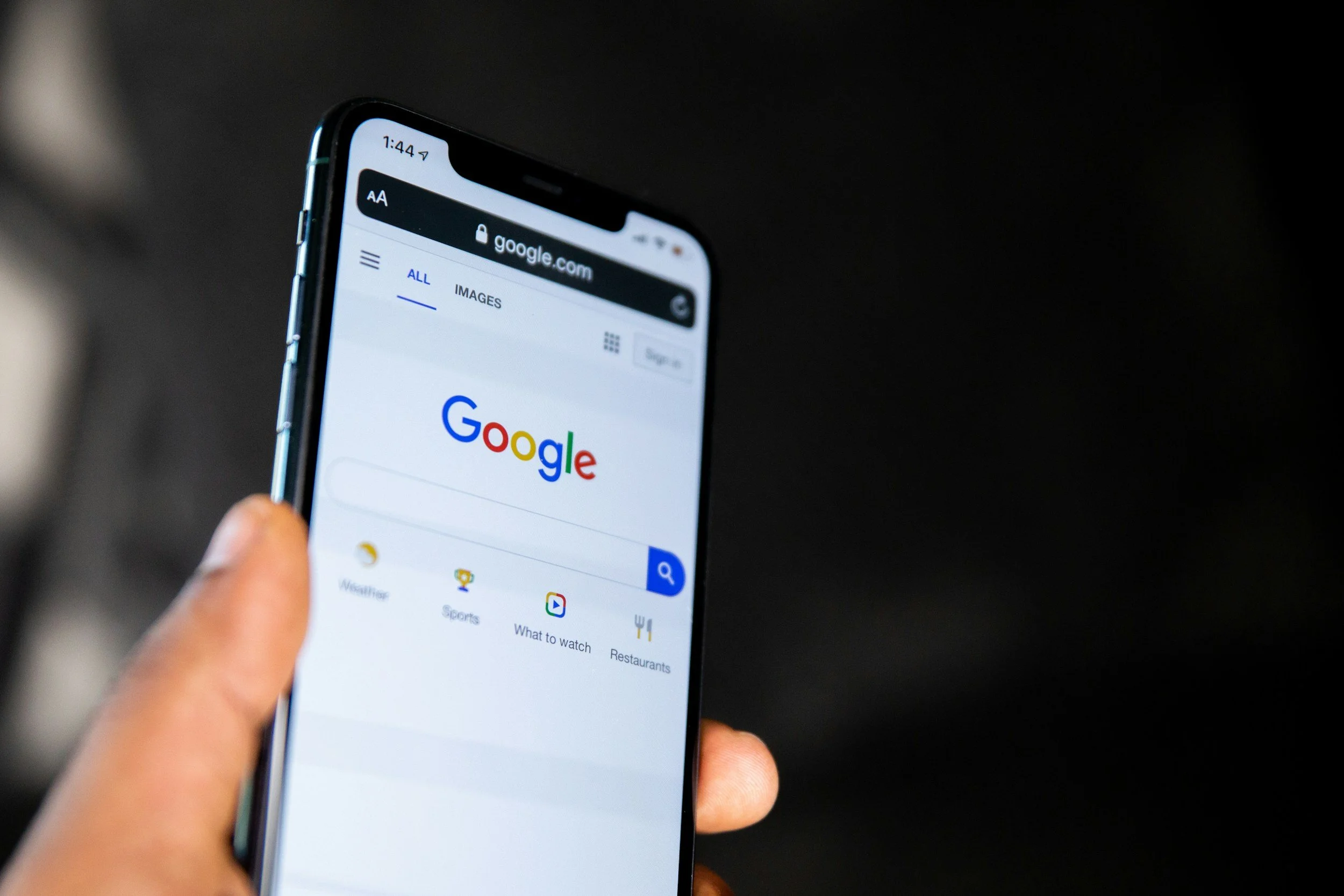
What Is Local SEO and Why Does It Matter?
Local SEO refers to the practice of optimising your online presence so your business appears prominently in location-based search results. This includes results in Google Maps, the local pack (the three businesses shown at the top of search results), and standard organic listings.
For most local businesses, the majority of your customers are already searching online before they pick up the phone or walk through the door. If you're not visible in those moments, you're handing enquiries to your competitors.
1. Claim and Optimise Your Google Business Profile
Your Google Business Profile (GBP) is arguably the most important local SEO asset you have. Make sure every section is complete; your business name, address, phone number, hours, categories, and description should all be accurate and consistent with what appears on your website.
Upload real photos of your premises, team, and work. Businesses with photos receive significantly more clicks than those without. And don't overlook the Q&A section, you can add your own questions and answers to pre-empt common customer queries.
2. Build Consistent Local Citations
A citation is any online mention of your business name, address, and phone number (NAP). Consistency across directories like Yell, Bing Places, Apple Maps, and industry-specific sites sends trust signals to search engines. Even small inconsistencies, like abbreviating 'Street' to 'St' in one place, can dilute your local authority.
3. Generate and Respond to Reviews
Reviews are one of the most powerful ranking factors in local search. Actively encourage satisfied customers to leave reviews on Google, and always respond to both positive and negative ones. A business that engages with its reviews demonstrates credibility and builds trust with prospective customers.
4. Create Locally-Focused Content
Publishing content that references your location naturally can reinforce your relevance for local searches. A case study from a local client, a guide specific to businesses in your area, or even a blog post mentioning local landmarks can all contribute to your local authority over time.
5. Make Sure Your Website Is Mobile-Friendly and Fast
Most local searches happen on mobile. If your website loads slowly or is difficult to navigate on a smartphone, you'll lose visitors before they've even considered contacting you. Google also uses mobile-friendliness as a ranking factor, so a poor mobile experience can suppress your visibility entirely.
Local SEO isn't a one-off exercise, it requires consistent attention over time. But the investment is well worth it. A well-optimised local presence can drive a steady stream of qualified enquiries from people who are actively looking for exactly what you offer.
Need Help With Your Local SEO?
At CapNet Marketing, we help businesses across Wirral, Merseyside, and beyond improve their search visibility and drive real enquiries from local customers. From search engine optimisation to web design that converts, we offer the full picture.
→ Explore our Search Engine Marketing services
→ Read more: Why Most Business Websites Don't Convert (And How to Fix Yours)